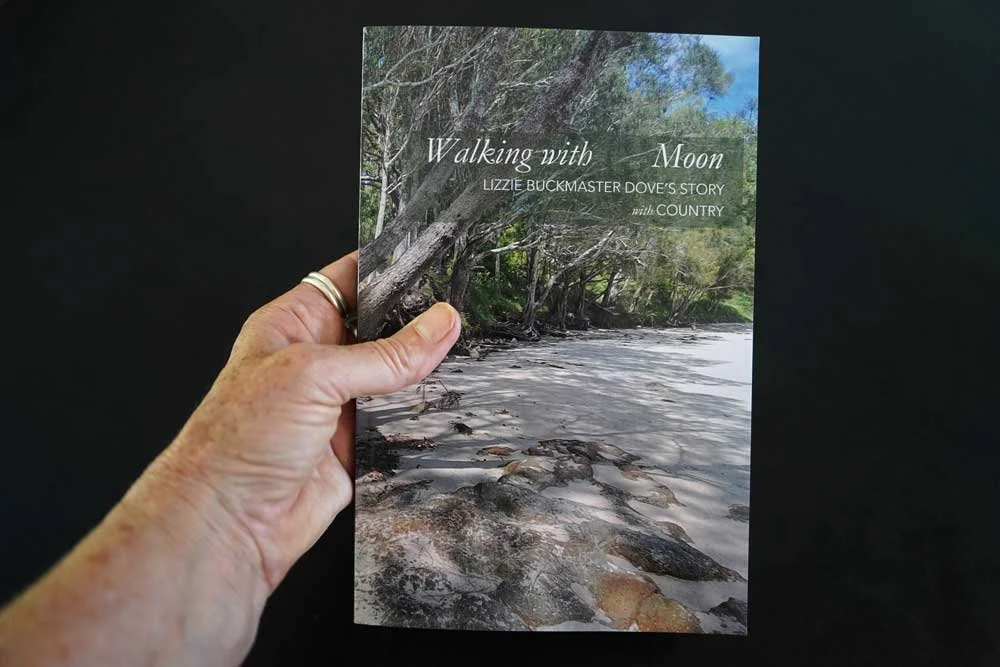
Walking with Moon, 2025 publication 242 pp, creative component of Master of Philosophy, University of Wollongong
Walking with Moon
This publication is the creative part of walking back: towards geographies of belonging: a Country-led Masters of Philosophy research project, undertaken in Creative Arts and Human Geography at the University of Wollongong.
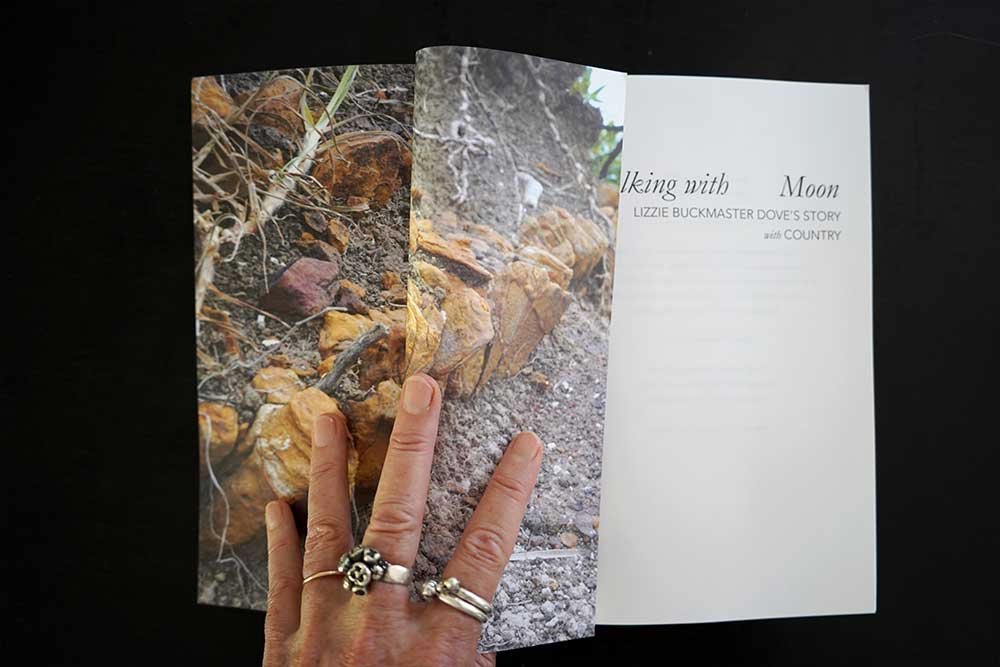
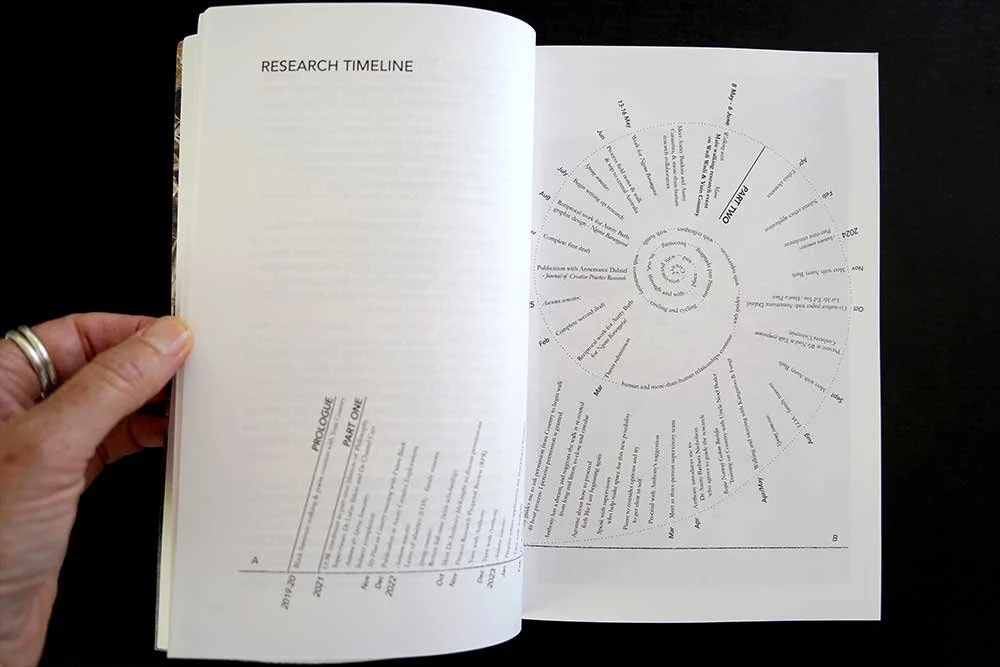
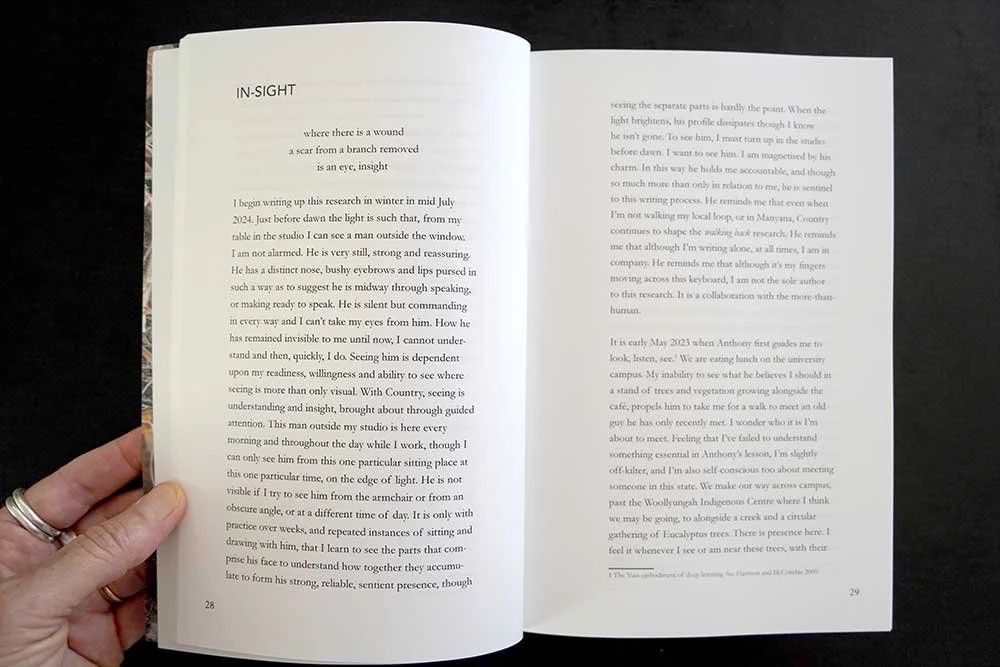
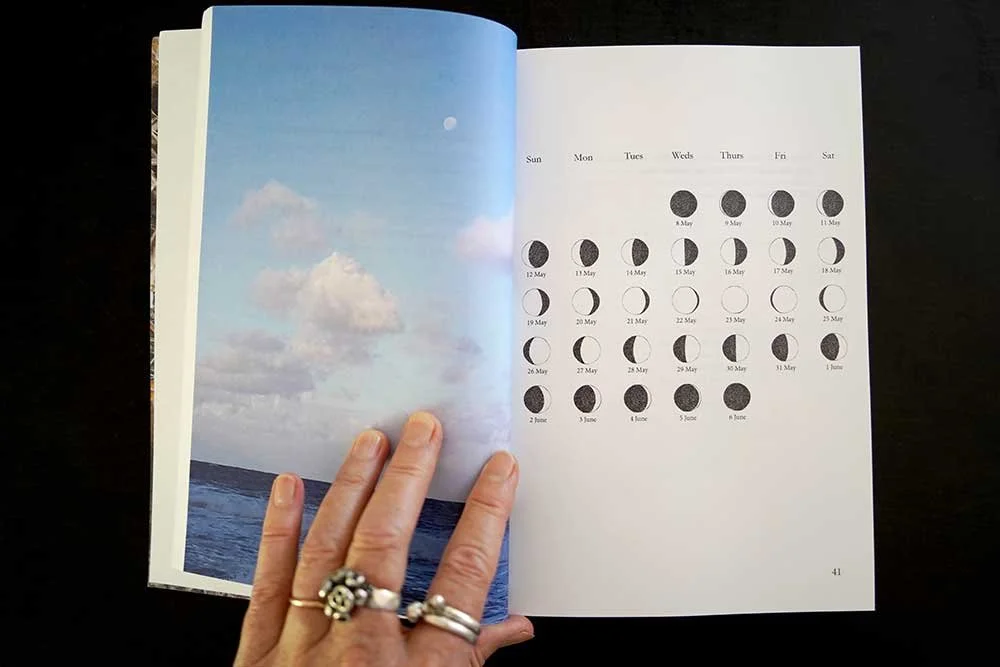
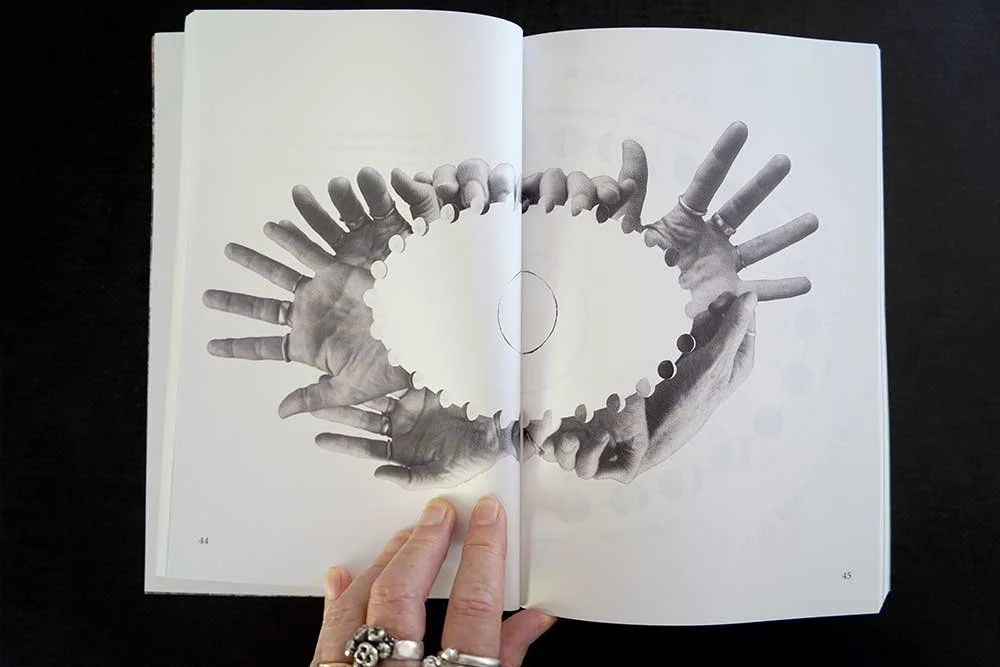
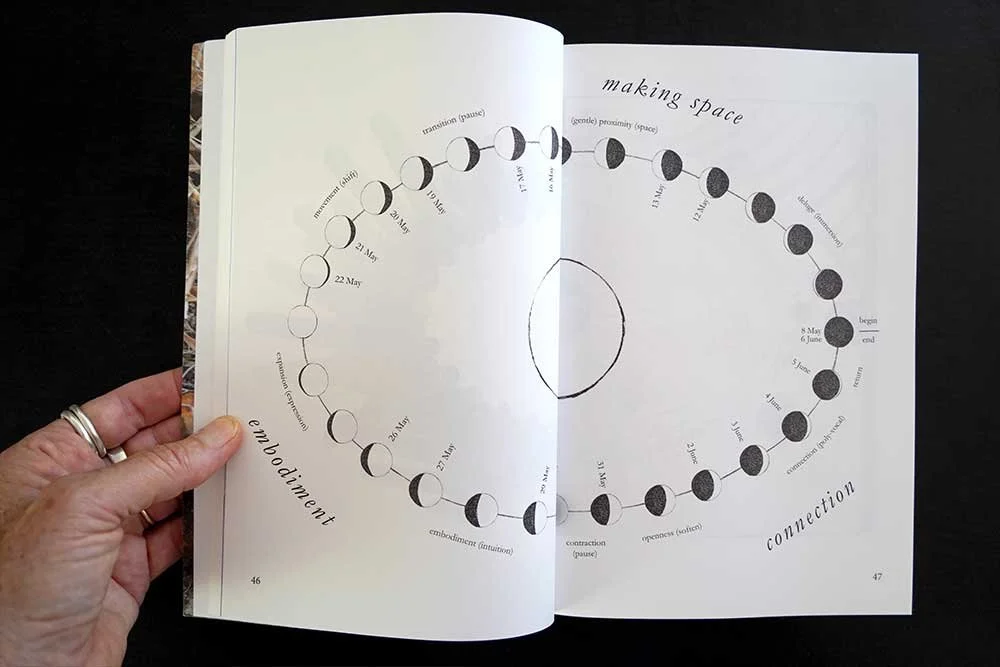
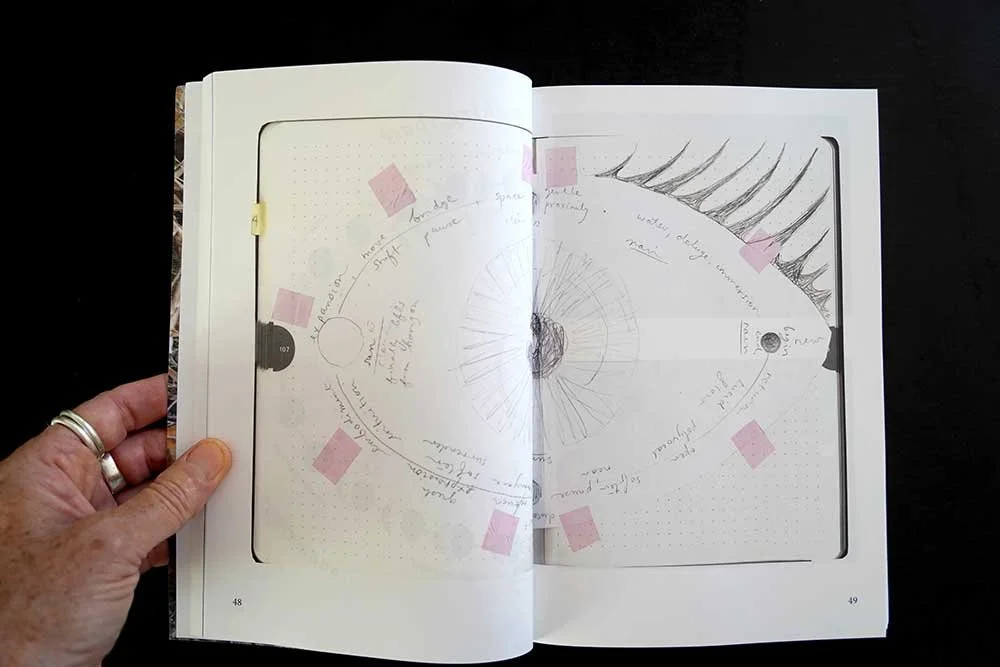
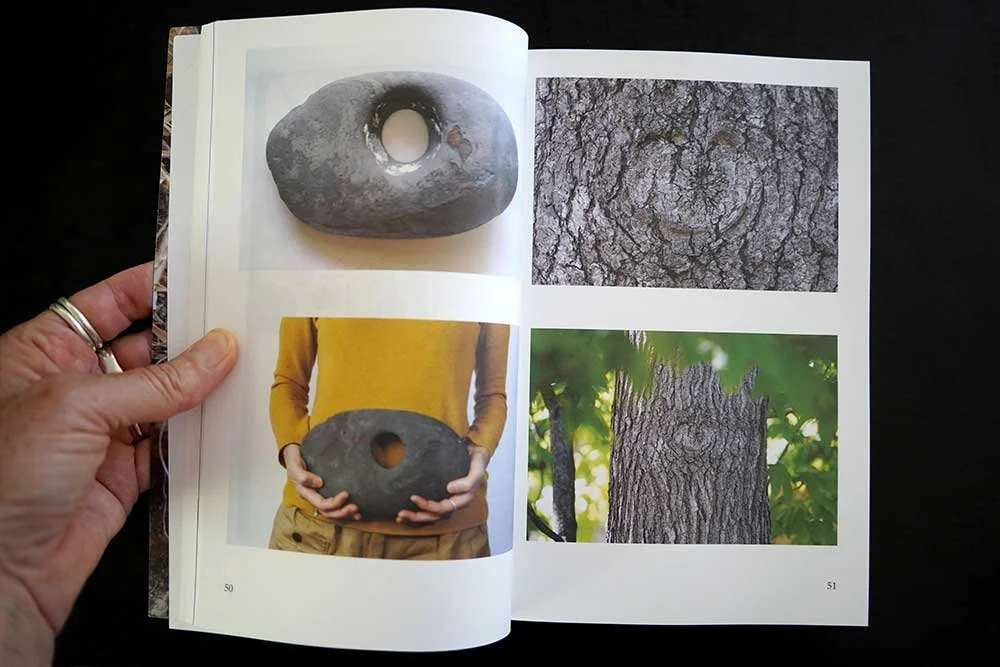
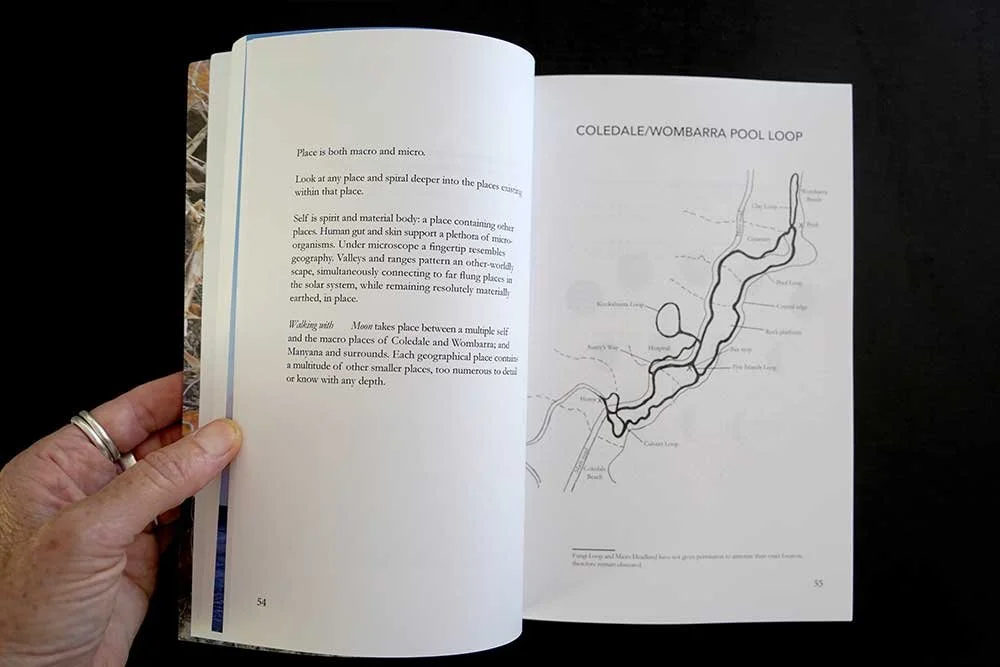
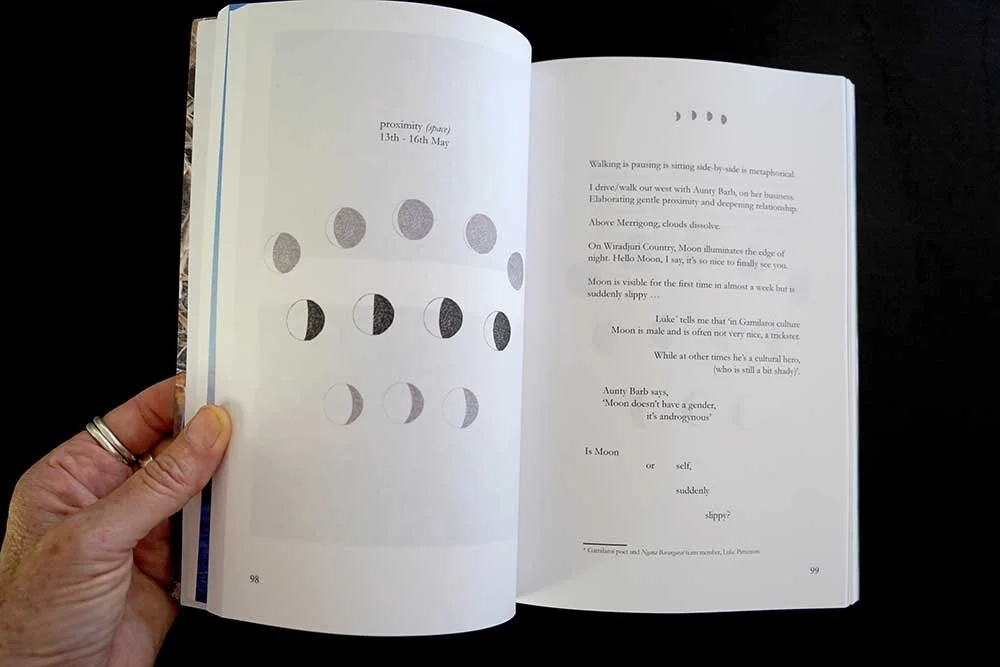
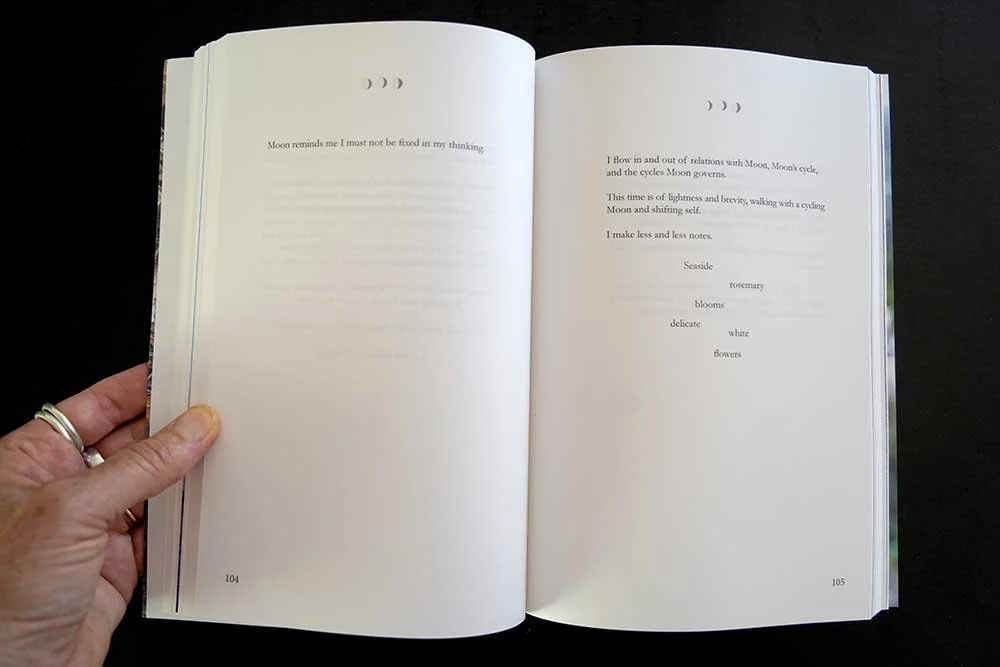
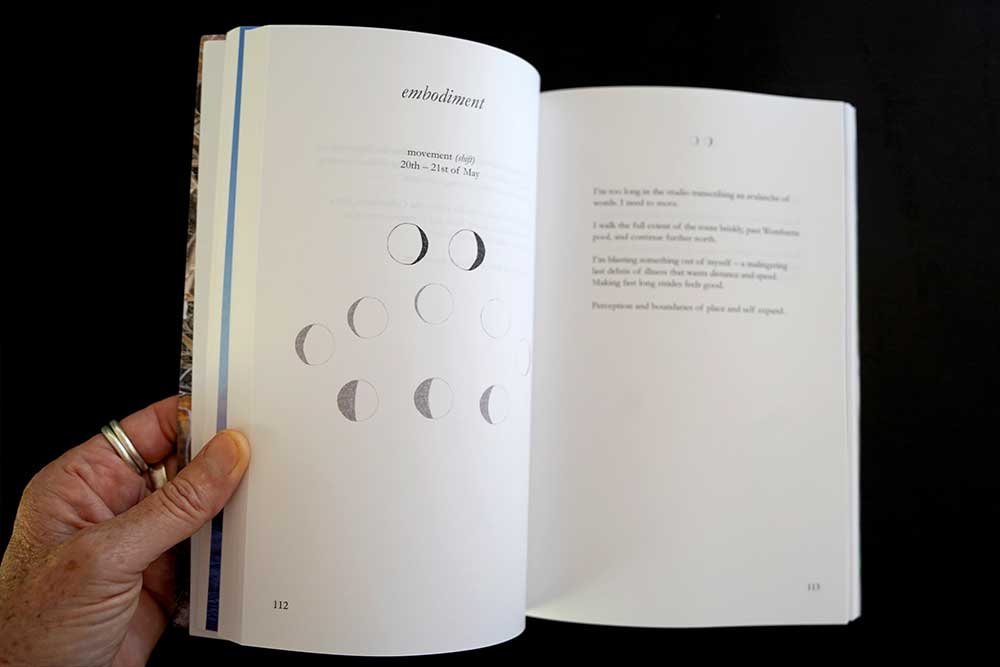
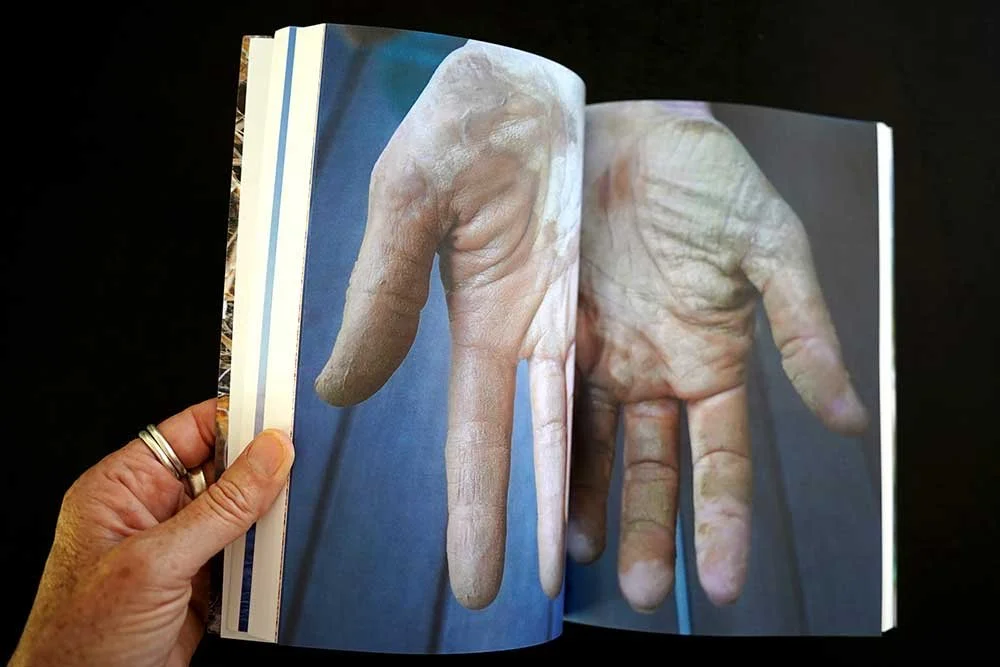
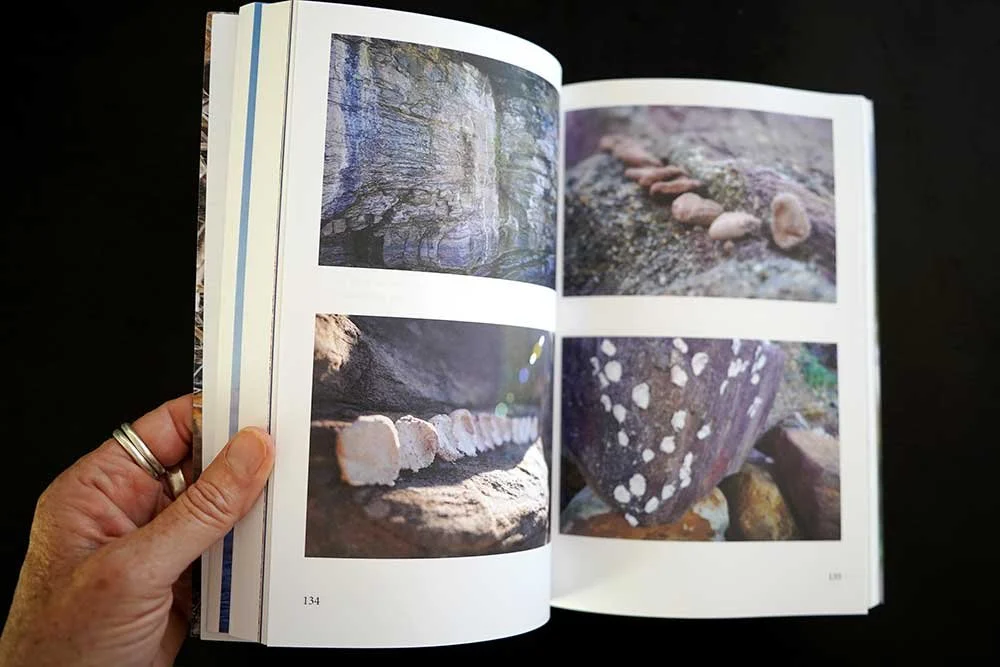
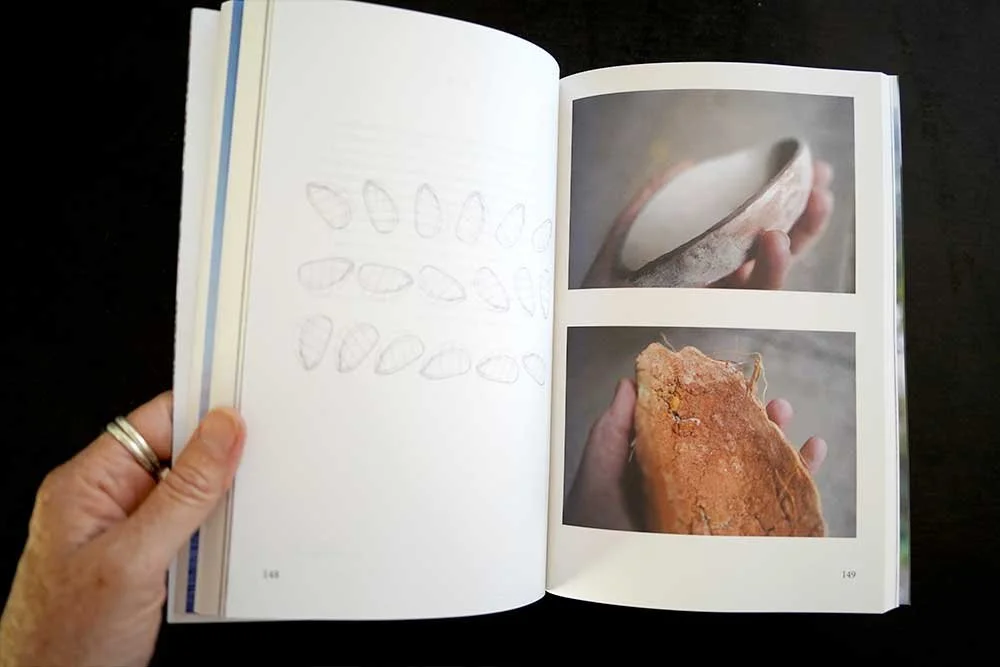
Within these pages are stories, accounts, sketches, diagrams, photos and poems; artefacts of guided daily walking that took place over a one-month Moon cycle in May/June 2024; and previous to then, pivotal moments from a five-year period (2020-2024).
Though designed in conjunction with the written research, this book stands alone. You can experience an embodiment of the research story through the haptic sense of the book, in and of itself. Walking with Moon is an invitation into embodied and experiential sense impressions of Country-led walking in two places: with Wadi Wadi Country in Coledale and Yuin Country in Manyana.
You can purchase a copy for $50, by sending me a message via the button below; or buying directly from Wollongong Art Gallery, or Collins book store, in Thirroul.
walking back: toward geographies of belonging
Master of Philosophy thesis, University of Wollongong
ABSTRACT
walking back: toward geographies of belonging is a Country-led research project situated between creative arts and human geography. It emerged from an invitation to walk with Country as a response to grief and a way to begin healing in the aftermath of the Australian Black Summer fires (2019/20). The main aims of walking back are ethical and methodological. The research asks what are the ethics of walking with Country as a non-Aboriginal person; how can walking repair senses of belonging and relations of care with place and Country in south-east Australia; and is it possible to walk oneself into place? Situating the project within academic scholarship brings the walker into relationship and guidance with Wadi Wadi elder Aunty Barbara Nicholson and Yuin Knowledge Holder Dr Anthony McKnight. Slowing the research down to nourish relationships reveals ways to enact respect and reciprocity to ethically ground the walking back research beyond the formal human ethics requirements of the university. This slow work of nurturing relationships accounts for the first long part of the walking back research.
Australian Aboriginal Country is a spiritual and sentient entity comprising of the more-than-human including earth, sky, sea, water, flora, fauna and humans. Country is the mother to whom all belong, where everything is infinitely patterned together and interconnected. In the second part of walking back, the researcher walks daily over a one-month moon cycle in May and June 2024, in two local places. Guided daily walking develops a practice of place and permissions, into deeper relations, that centres Country. Country walks the researcher into patterns of more-than-human kinship, revealing how the self is porous and how place is agential and unbounded. The nature of the research shifts from a Western hierarchical approach to relational: where everything is interconnected and in relation. Concepts of artist, performer, protagonist, audience and author are troubled. Walking is slowed, undone, decolonised, and relearned. Walking becomes less about doing so much as it is about being: embodied in place – feeling, sensing, seeing. The land reveals itself as text, brimming with more-than-human voices. What are the responsibilities of living reciprocally in this vibrant agential more-than-human world?
walking back is a self-reflexive, creative non-fiction polyvocal story authored with guides, more-than-human collaborators and Country. The creative research extends scholarship on walking and place in creative arts and human geography; contributing to creative and more-than-human geographies; to inform an ethics of place for non-Aboriginal artists in south-east Australia. walking back demonstrates how centring Country is essential to decolonising scholarly research within hierarchical structures in Australia; and highlights creative practice as a valuable way of learning, knowledge creation, and mode of research. This thesis is just one account of one non-Aboriginal person’s experience of culturally guided walking with Country in south-east Australia. The author recognises this work as nuanced, personal and partial; the path would be different for another asking similar questions. walking back is a body of creative work about two places at a particular time, existing as an archive for future researchers to extend upon.